
Why Back Pain Feels Worse in Cold Weather and How to Relieve It
Overview
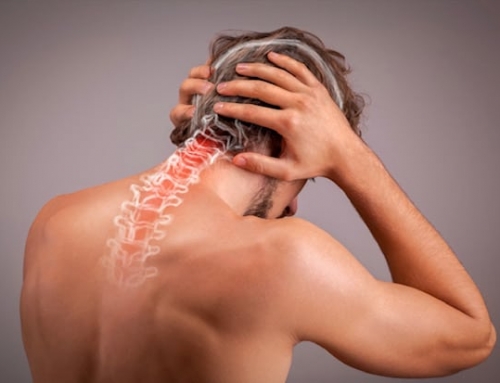
Cold weather can make back and neck pain feel worse due to muscle tightening, reduced circulation, joint stiffness, and increased nerve sensitivity. While winter does not cause spinal damage, it can intensify symptoms from conditions such as herniated discs, arthritis, sciatica, and spinal stenosis. Staying warm, remaining active, maintaining posture, and seeking expert spine care can significantly reduce cold-related spine pain.
What colder temperatures do to your spine and proven ways to stay comfortable all winter
 As temperatures drop, many people notice their back or neck pain becoming more intense. Morning stiffness, muscle tightness, and lingering aches are common complaints during colder months. This is especially true for individuals with existing spine conditions.
At NeuSpine Institute, we frequently see an increase in patients seeking care for winter-related spine pain. Understanding why this happens and knowing how to manage it can help you stay active and comfortable throughout the season.
How Cold Weather Impacts Your Spine
Cold temperatures affect the spine indirectly by changing how your muscles, joints, and nerves respond to the environment.
Muscles Tighten to Conserve Heat
When exposed to cold, muscles contract as a protective response to maintain body heat. This can reduce flexibility in the neck and back, increase stiffness, and make movements feel more painful or restricted.
Reduced Circulation to Spinal Tissues
Cold weather causes blood vessels to constrict, decreasing blood flow to muscles and joints. Less circulation means less oxygen and fewer nutrients reaching spinal tissues, which can worsen pain and slow recovery.
Increased Joint and Disc Stiffness
Lower temperatures can reduce the natural lubrication in joints and spinal discs. This may cause the spine to feel rigid, especially in the morning or after long periods of inactivity.
Heightened Nerve Sensitivity
People with nerve-related conditions such as sciatica or spinal stenosis may feel sharper or more frequent pain in cold weather. Changes in pressure and inflammation around nerves can increase sensitivity.
Less Physical Activity
Winter often leads to a more sedentary lifestyle. Reduced movement weakens the muscles that support the spine and increases stress on spinal structures, contributing to pain and instability.
Common Spine Conditions Affected by Cold Weather
Cold weather often intensifies symptoms for individuals with existing spinal issues, including:
-
Herniated or bulging discs
-
Degenerative disc disease
-
Arthritis of the spine
-
Sciatica
-
Spinal stenosis
-
Chronic neck or lower back pain
While symptoms may flare up in winter, proper management can prevent long-term setbacks.
How to Relieve Cold Weather Spine Pain
Managing winter-related spine discomfort starts with simple, consistent habits.
Keep Your Body Warm
Wearing layers helps maintain muscle flexibility and reduces stiffness. Heat therapy, such as heating pads or warm showers, can relax tight muscles and improve circulation in the neck and lower back.
Stay Physically Active
Gentle movement is one of the most effective ways to reduce spine pain. Walking, stretching, yoga, and low-impact exercise help keep spinal muscles strong and joints mobile. Always warm up before activity to avoid injury.
Focus on Posture
Poor posture places unnecessary stress on the spine. Be mindful of your alignment while sitting, working, driving, or using electronic devices. Ergonomic chairs and lumbar support can make a significant difference.
Hydrate Consistently
Spinal discs rely on hydration to maintain their cushioning and shock-absorbing properties. Drinking enough water, even in colder months, supports disc health and flexibility.
Manage Stress and Tension
Stress can increase muscle tightness and worsen pain. Relaxation techniques such as deep breathing, meditation, or gentle stretching can reduce tension throughout the spine.
Seek Professional Spine Care
If pain persists or worsens despite home care, it is important to seek expert evaluation. NeuSpine Institute offers advanced diagnostics and personalized treatment options, from conservative care to minimally invasive surgical solutions when needed.
When Winter Back Pain Should Not Be Ignored
While mild stiffness is common, certain symptoms require medical attention. Schedule an evaluation if you experience:
-
Ongoing pain that does not improve
-
Numbness or tingling in the arms or legs
-
Weakness or difficulty walking
-
Severe stiffness limiting daily activities
-
Pain following a fall or accident
Early diagnosis can prevent further complications and lead to better outcomes.
Frequently Asked Questions
Can cold weather actually damage my spine?
No. Cold weather does not damage the spine, but it can worsen symptoms by causing muscle tightening, reduced circulation, and increased nerve sensitivity.
Why is back pain worse in the morning during winter?
Muscles and joints stiffen overnight, and colder temperatures increase this effect. Gentle stretching and movement can help reduce morning stiffness.
Is exercise safe when my back hurts in winter?
Yes, when done correctly. Low-impact exercise helps strengthen spinal support muscles and improves circulation, which can reduce pain.
When should I see a spine specialist for winter pain?
If pain is persistent, worsening, or associated with numbness, weakness, or limited mobility, it is time to consult a spine specialist.
 Laser Spine Surgery: Now at NeuSpine Institute
 Artificial Disc Replacement vs ACDF in Tampa | Dr. Amir Ahmadian, Board-Certified Neurosurgeon