
Cervical Disc Replacement vs ACDF: Dr. Ahmadian Explains the Best Option for Neck Pain and Herniated Discs in Tampa Bay
Overview: Cervical Disc Replacement vs ACDF
Cervical disc replacement and ACDF are two advanced surgical options for treating herniated discs and nerve compression in the neck. ACDF removes the damaged disc and fuses the vertebrae to stabilize the spine, while artificial disc replacement preserves motion by inserting a prosthetic disc. According to Dr. Amir Ahmadian, a board-certified cervical spine neurosurgeon in Tampa Bay, the best option depends on spinal stability, alignment, level of degeneration, and patient activity level. Fusion is often recommended for severe arthritis or instability, while disc replacement may be ideal for younger, active patients with single-level disease who want to maintain neck mobility and reduce stress on adjacent discs.
Cervical Disc Replacement vs ACDF: Dr. Ahmadian Explains the Best Option for Neck Pain and Herniated Discs in Tampa Bay
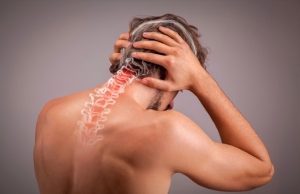
If you are experiencing chronic neck pain, arm numbness, tingling, or weakness from a herniated cervical disc, two of the most advanced surgical options available today are ACDF (Anterior Cervical Discectomy and Fusion) and Artificial Disc Replacement.
Dr. Amir Ahmadian, a board-certified neurosurgeon specializing in cervical spine surgery in Tampa Bay, helps patients from Tampa, Wesley Chapel, Odessa, and surrounding communities determine which procedure offers the safest and most effective long-term relief.
Understanding the difference between these two surgeries is essential, because the right choice can impact not only pain relief, but also mobility, spinal longevity, and quality of life.
What Is ACDF Surgery?
ACDF, or Anterior Cervical Discectomy and Fusion, is one of the most established and successful operations for treating:
• Herniated cervical discs
• Spinal stenosis
• Nerve compression
• Cervical instability
• Degenerative disc disease
During ACDF, the damaged disc is removed through a small incision in the front of the neck. The spinal cord and nerves are decompressed, and the vertebrae are stabilized with a bone graft or implant. Over time, the bones fuse together, eliminating painful motion at that level.
Dr. Ahmadian often recommends ACDF for patients with:
• Severe disc collapse
• Advanced arthritis
• Spinal instability
• Multi-level degeneration
• Alignment or deformity issues
ACDF has decades of proven outcomes and is highly effective at relieving nerve pain and restoring stability.
What Is Artificial Disc Replacement?
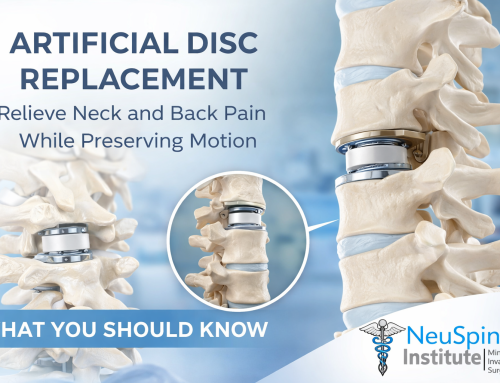
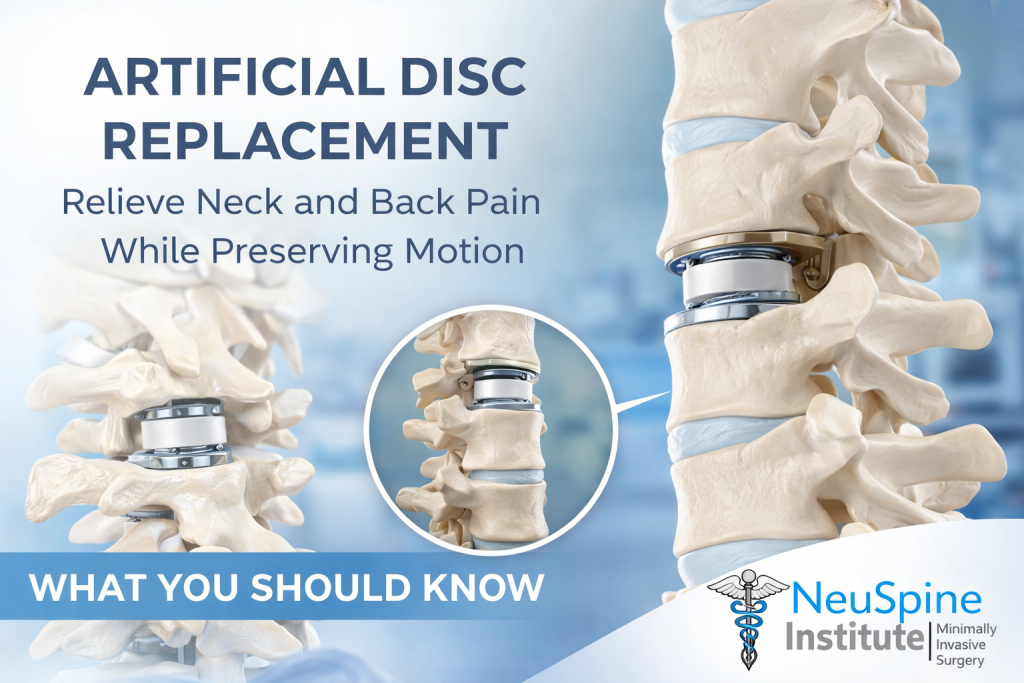
Artificial disc replacement, also called cervical disc arthroplasty, is a motion-preserving alternative to fusion. Instead of fusing the vertebrae, the damaged disc is replaced with a prosthetic implant that maintains natural movement in the neck.
Dr. Ahmadian carefully selects candidates for disc replacement who may benefit from:
• Preserved neck mobility
• Reduced stress on adjacent discs
• Faster functional recovery
• Lower risk of adjacent segment degeneration
This procedure is often ideal for younger or active patients with a single-level disc herniation and healthy surrounding joints.
Which Surgery Is Better: Fusion or Disc Replacement?
There is no one-size-fits-all answer. The best procedure depends on:
• Your spinal anatomy
• Disc condition
• Stability and alignment
• Age and activity level
• Long-term degeneration risk
Dr. Ahmadian performs a comprehensive evaluation using advanced imaging, neurological testing, and biomechanical analysis to determine which option will provide the safest and most durable result.
In some cases, fusion offers the strongest and most reliable solution. In others, preserving motion with an artificial disc can protect the rest of the spine and improve long-term outcomes.
Why Patients in Tampa Bay Choose Dr. Amir Ahmadian
Patients seeking a top cervical spine neurosurgeon in Tampa, Wesley Chapel, and Odessa trust Dr. Ahmadian because of his:
• Expertise in complex cervical spine surgery
• Experience with both ACDF and motion-preserving disc replacement
• Precision microsurgical techniques
• Personalized surgical planning
• Focus on long-term spine health, not just short-term pain relief
His philosophy is simple: choose the procedure that best serves the patient’s future, not just the immediate problem.
Recovery and Results
Most patients experience rapid improvement in arm pain and nerve symptoms after both procedures.
Disc replacement patients often regain motion more quickly, while ACDF patients benefit from excellent stability and long-term durability. Dr. Ahmadian provides structured postoperative care and rehabilitation to ensure optimal healing and return to function.
If you are suffering from neck pain, herniated discs, or cervical nerve compression and are exploring surgical options in Tampa Bay, a consultation with a cervical spine specialist is the first step toward lasting relief.
Frequently Asked Questions
Is cervical disc replacement safer than ACDF?
Both procedures are safe when performed by an experienced neurosurgeon. The safest option depends on spinal stability, disc condition, and alignment.
How long does ACDF surgery take?
Most ACDF procedures take one to two hours, depending on the number of levels treated.
Who is a good candidate for artificial disc replacement?
Patients with single-level disc disease, good bone quality, and preserved motion are often ideal candidates.
Will fusion limit my neck movement?
Fusion eliminates motion at the treated level, but most patients retain excellent overall neck mobility.
Can disc replacement prevent future degeneration?
By preserving motion, disc replacement may reduce stress on nearby discs and lower the risk of adjacent level disease.
 Are Vibration Plates Safe for Your Back? A Spine Surgeon’s Guide for At-Home Wellness Users
 Artificial Disc Replacement in Tampa: A Motion Preserving Option for Neck and Back Pain